Bioremediation and India’s Push for Sustainable Waste Management
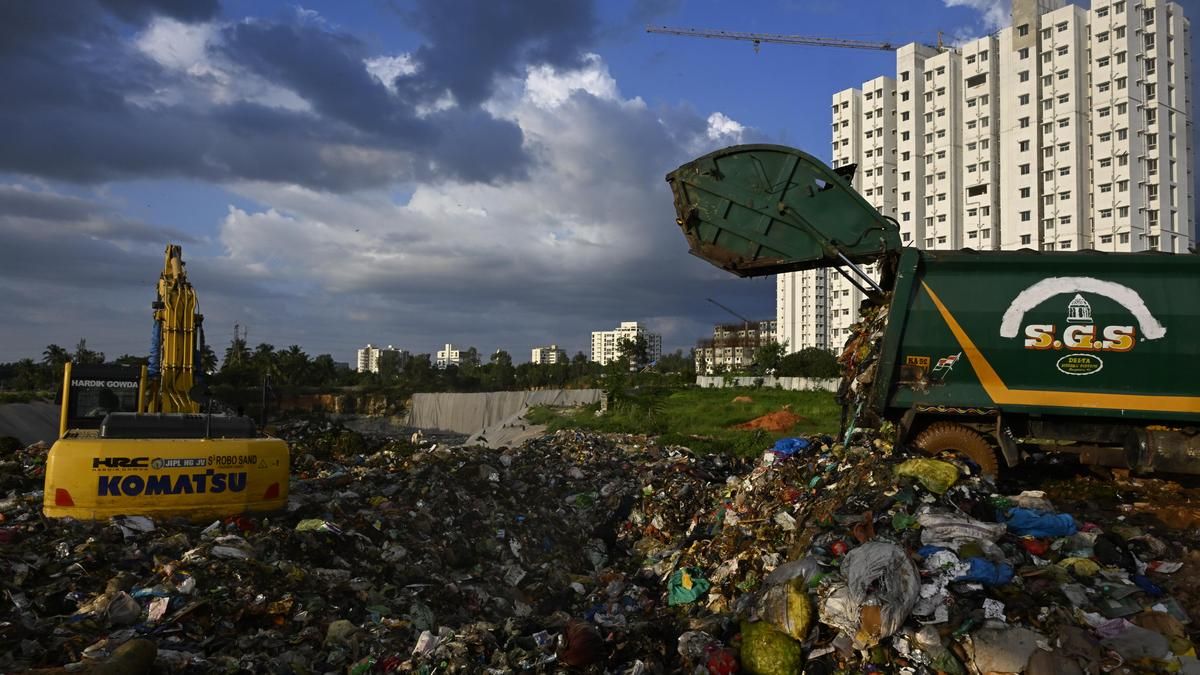
IN NEWS: Bioremediation and India’s Push for Sustainable Waste Management
Why Bioremediation in News?
- India continues to face increasing waste accumulation in landfills and water bodies, making bioremediation an essential environmental solution.
- The Hindu article highlights why the country needs bioremediation, its mechanisms, challenges, ongoing initiatives, and future requirements.
- Discussion is significant regarding India's pollution burden, slow remediation capacity, and rising need for biotech-led waste treatment approaches.
What is Bioremediation?
- Bioremediation means “restoring life through biology”.
- It involves the use of microorganisms like bacteria, fungi, algae, and plants to degrade or transform toxic substances.
- Pollutants such as oil, pesticides, plastics, and heavy metals are metabolised into harmless by-products like water, carbon dioxide, or organic acids.
- In some cases, toxic metals are converted into less harmful immobile forms.
Types of Bioremediation
- In situ Bioremediation
- Treatment at the contaminated site itself.
- Example: oil-eating bacteria sprayed on ocean spill zones.
- Ex situ Bioremediation
- Contaminated material is excavated, treated externally, then returned.
- Conducted in controlled facilities.
How Modern Bioremediation Works
- Combines traditional microbiology with modern biotechnology and synthetic biology.
- Biotechnology helps in:
- Identifying useful microbial biomolecules,
- Replicating them under controlled conditions (sewage plants, farms).
- Genetically modified microbes can degrade persistent compounds like plastic and oil residues.
- Biosensing organisms can signal the presence of toxins through fluorescence or colour change, aiding early detection.
Why Does India Need Bioremediation?
- Rapid industrialisation has increased sewage discharge, chemical runoff, plastic waste, and metal contamination.
- Rivers like Ganga and Yamuna still receive untreated waste daily.
- Traditional clean-up methods are costly, energy-intensive, and produce secondary pollution.
- Bioremediation is cheaper, scalable, and environmentally sustainable, suitable for large polluted landscapes.
- India's rich biodiversity offers region-specific microbes that can adapt to various soil and climate conditions.
Current Progress in India
- Adoption is growing but implementation largely in pilot phases.
- Department of Biotechnology (DBT) supports projects under Clean Technology Programme.
- CSIR-NEERI working on multiple remediation research programmes.
- IITs exploring innovations like:
- Cotton-based nanocomposites for oil spill cleanup,
- Microbes consuming toxic soil pollutants.
- Startups like BCIL and Econirmal Biotech offer microbial solutions for soil & wastewater treatment.
Challenges
- Lack of site-specific microbial understanding.
- Complex pollutant composition delaying treatment outcomes.
- Absence of unified national bioremediation standards.
- Biosafety concerns regarding GM organisms in open environments.
- Limited regulatory clarity and low public awareness.
Global Practices
- Japan integrates bioremediation into municipal waste management systems.
- EU funds multi-country microbial remediation programmes.
- China includes bioremediation under soil pollution control policies using improved bacterial strains.
Opportunities and Risks
Opportunities
- Restoring polluted rivers and soils, reclaiming dump sites.
- Job creation in biotech, waste management, environmental engineering.
- Integration with Swachh Bharat, Namami Gange, Green Tech missions.
Risks
- GM organisms may impact biodiversity if unregulated.
- Inadequate monitoring may cause ecological imbalance.
- Requires strong biosafety policies, certification systems, trained workforce.
Way Forward
- Formulate national bioremediation standards & protocols.
- Create regional bioremediation hubs linking academic bodies, industries, and local governments.
- Strengthen DBT-BIRAC support for startups & field deployment.
- Promote public participation and awareness to boost acceptance.
- Implement regulated frameworks for biosafety, monitoring & certification for large-scale rollouts.
Updated – 03 December 2025; 11: 23 AM | News Source: The Hindu