Sanchar Saathi App Mandate
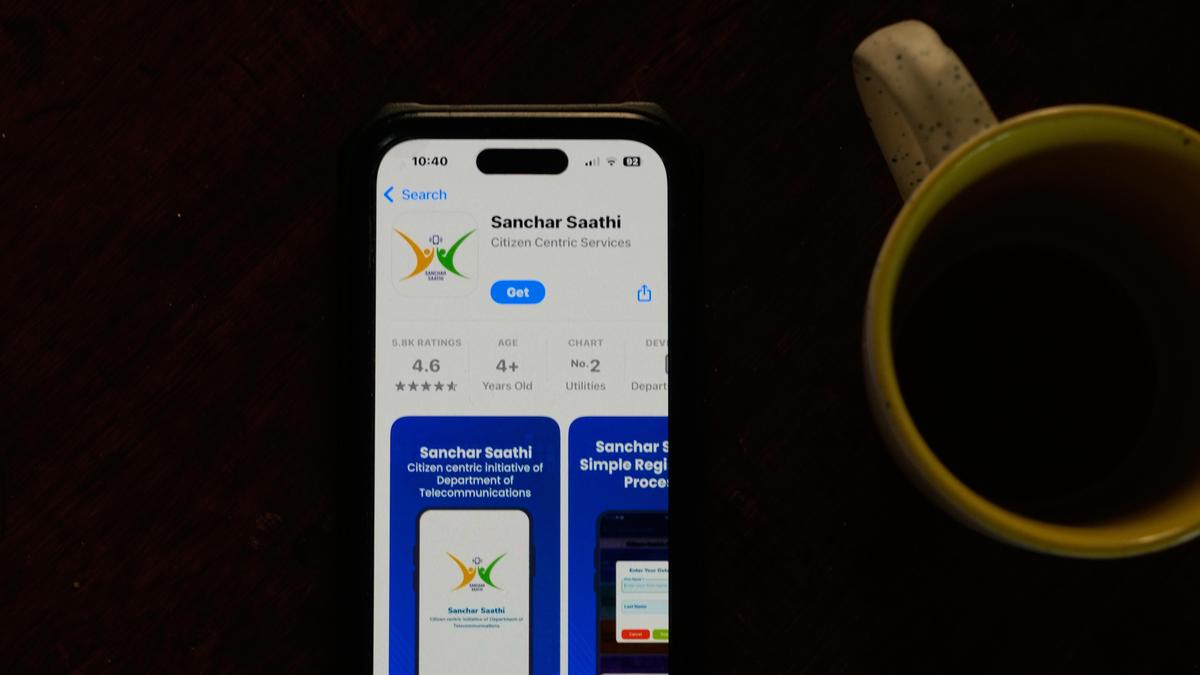
IN NEWS: Sanchar Saathi App Mandate
Why Sanchar Saathi App in News?
- The Department of Telecommunications (DoT) has ordered smartphone manufacturers to pre-install the Sanchar Saathi app on all phones by March 2026.
- The directive has triggered political and civil liberty concerns regarding privacy and potential surveillance.
- Opposition and digital rights groups have raised objections, while the government defends it as a security measure against spoofed/duplicate IMEI devices.
Analysis
- The move marks one of the rare cases where the Indian government has mandated pre-installation of a specific app on devices.
- Concerns relate to privacy, data access, and potential root-level permissions that a pre-installed app might receive.
- Questions have emerged about constitutionality, especially in the context of the Puttaswamy judgement (Right to Privacy).
- Lack of clarity persists about whether the app will be removable or remain permanently active in devices.
What is Sanchar Saathi App?
- Launched in 2023, originally as a portal for reporting suspicious calls.
- Allows users to track all mobile numbers linked to their identity.
- Enables blocking of stolen devices using IMEI details to bar them from telecom networks.
Objectives
- Prevent misuse of mobile networks.
- Identify fake or cloned IMEI devices.
- Help track phones connected to an individual’s mobile number.
- Provide citizens an interface to report cyber-fraud and suspicious communication.
Role and Functions
- Detection and reporting of spam/suspicious calls.
- IMEI-based device blocking mechanism for lost phones.
- Database-linked access for identifying numbers registered under one identity.
- Potential security benefits against telecom network breaches involving duplicate IMEI.
Legal Position
- Mandate issued under Telecom Cyber Security Rules, 2024.
- Introduction of Telecommunication Identifier User Entity (TIUE) extended regulation to any entity using phone numbers for identification.
- This brings even messaging platforms like WhatsApp under operational regulation.
- Constitutional questions may arise due to mandatory pre-installation and lack of opt-out provisions.
Concerns and Criticism
- Pre-installed system apps may receive root-level privileges, increasing control and risk.
- Over-the-air updates could potentially expand permissions without user consent.
- Risk of widespread impact in case of security breach due to mass-installed presence.
- Debate over voluntary use vs compelled compliance.
Way Forward
- Clear official notification on uninstallability and permission transparency.
- Independent cyber-security audit and open-source review to build public trust.
- Provide opt-in instead of default install, aligning with privacy jurisprudence.
- User awareness campaigns on device safety and reporting mechanisms.
- Strong data protection protocols with minimal collection policies.
Updated - 03 December 2025; 9: 23 PM | News Source: The Hindu