World’s Longest Woolly Rhino Horn Discovered in Melting Siberian Permafrost
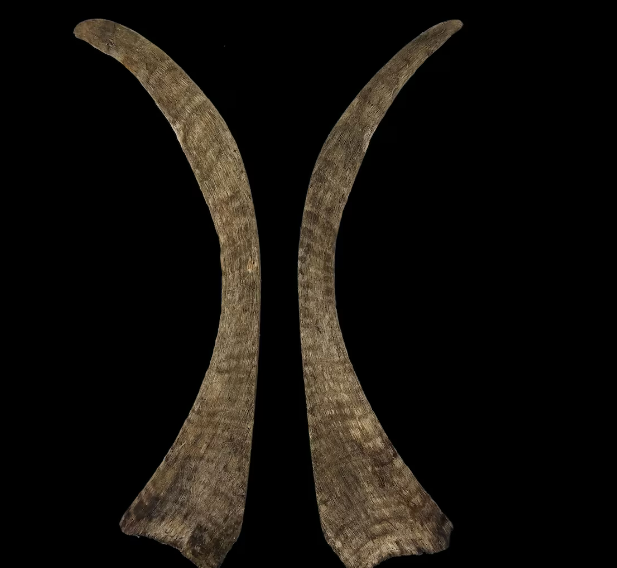
World’s Longest Woolly Rhino Horn Discovered in Melting Siberian Permafrost
Analysis:
- Discovery Details:
- A local resident in Siberia discovered the remains of a woolly rhino, dated to approximately 19,700 years ago.
- The horn, now considered the world’s longest woolly rhino horn, provides significant paleontological insights into Ice Age megafauna.
- Scientific Significance:
- Woolly rhinos were key herbivores of the Pleistocene steppe ecosystem.
- Exceptionally preserved remains help researchers study Ice Age biodiversity, animal physiology, and adaptations to cold climates.
- The horn’s size and preservation offer clues about the species’ growth patterns, health, and environmental conditions during the Late Pleistocene.
- Context of Discovery:
- Melting permafrost in Siberia has increasingly exposed preserved remains of Ice Age animals.
- Such finds provide valuable data for studying extinct species, climate change impacts, and past ecosystems.
- Broader Implications:
- Could inform ongoing research into de-extinction and genetic studies of Pleistocene megafauna.
- Highlights the urgency of preserving permafrost records amid global warming, as many specimens may be lost to thawing landscapes.
Static Facts:
- Species: Woolly rhino (Coelodonta antiquitatis)
- Age: ~19,700 years
- Location: Siberian permafrost, Russia
- Significance: World’s longest woolly rhino horn discovered
Updated - October 23, 2025 ; 10: 12 PM | https://www.nationalgeographic.com/