- Pollination occurs through agents like wind, water, insects, birds, and animals.
- Bisexual flowers contain both stamens (male) and pistils (female) organs.
- Synchronization of maturation enables pollination without external pollinators.
- Asexual reproduction involves one parent, no gamete fusion, producing clones.
- In Hydra, bud development starts with cell divisions at a specific body site.
- Seeds are the main product of sexual reproduction and contain an embryo.
- Spores allow asexual reproduction without gamete fusion.
- The stigma is part of the pistil, the female reproductive structure.
- Pollen grains are transferred to the stigma during pollination.
- In grafting, a stem part from one plant is inserted into another plant.
Reproduction In Plant
- Male germ-cells are produced by pollen grains, the male reproductive parts of flowering plants.
- Female gametes are located in the ovule, inside the ovary, not in the stigma.
- The stigma receives pollen during fertilization.
- Fertilization involves fusion of male and female gametes to form a zygote.
- The zygote develops into a seed, forming a new plant.
- Pollination is the transfer of pollen from anther/stamen to stigma.
- Pollination is crucial for sexual reproduction in flowering plants.
- The ovule within the ovary contains the female gamete (egg cell).
- After fertilization, the ovule develops into a seed.
- Pollination agents include wind, water, animals, insects, birds.
- Self-pollination occurs when pollen from the same flower/plant fertilizes the ovule.
- Cross-pollination transfers pollen to another plant, promoting genetic diversity.
- Vegetative propagation is asexual reproduction from stems, roots, or leaves.
- Common in sugarcane, roses, grapes.
- The pistil (female organ) consists of ovary, style, stigma.
- The ovary contains ovules and develops seeds after fertilization.
- The style connects ovary to stigma and guides the pollen tube.
- The stigma is sticky and captures pollen grains.
- Successful pollination leads to fertilization of ovules.
- Cross-pollination increases genetic diversity for adaptation and survival.
- Bisexual flowers contain both stamens and pistils.
- For self-pollination, stamens and pistils mature simultaneously.
- Asexual reproduction involves one parent, no gamete fusion, producing clones.
- In Hydra, budding begins with cell divisions, forming a new individual.
- Sexual reproduction in plants forms seeds containing an embryo.
- Spores enable asexual reproduction without gamete fusion.
- The stigma is the receptive part of the pistil where pollen germinates.
- The ovary produces ovules containing egg cells.
- In grafting, the inserted stem is called the scion.
- Rose pollen is incompatible with sunflower stigma (different species).
- Self-pollination examples: wheat, rice, peas.
- Wind pollination: grasses, corn, pine trees.
- Water pollination: seagrasses.
- Insect pollination: bees (apple blossoms), butterflies (flowers).
- Rhizopus is a genus of common fungi, also called black bread mold.
- In Rhizopus, sporangia develop on hyphae and form spores.
- Spore formation is an asexual method producing resistant spores.
- The radicle is the embryonic part that develops into the primary root.
- The radicle is the first part to emerge during germination and grows downward for anchorage and absorption.
- Vegetative propagation is a form of asexual reproduction using roots, stems, or leaves.
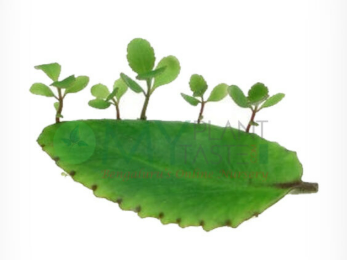
- In Bryophyllum, buds on leaf margins grow into new plants.
- Stems like runners (strawberry), tubers (potato), rhizomes (ginger) aid vegetative propagation.
- Plants like sugarcane, rose, banana reproduce by vegetative propagation.
- Spirogyra reproduces asexually by fragmentation.
- In fragmentation, each broken piece grows into a new individual.
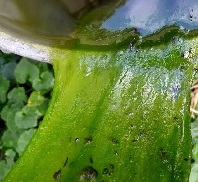
- Fragmentation occurs in algae, fungi, and liverworts.
- In Bryophyllum, leaf buds falling on soil develop into new plants by vegetative propagation.
- Castor and Balsam disperse seeds by explosive (ballistic) dispersal.
- In Castor (Ricinus communis), dry fruits split forcefully to scatter seeds.
- Watermelon (Citrullus lanatus) has unisexual flowers (either male or female).
- Male flowers produce pollen, female flowers develop into fruit after pollination.
- Unisexual flowers promote cross-pollination and genetic diversity.
- Examples of unisexual plants: cucumber, pumpkin, corn.
- The female gamete (ovum/egg cell) is larger and non-motile, containing stored food.
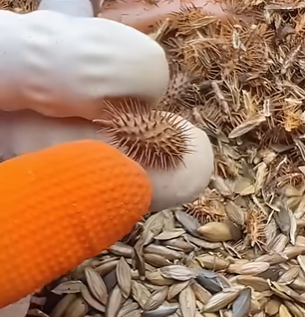
- Xanthium and Urena have spiny seeds with hooks for dispersal.
- Xanthium और Urena ऐसे पौधे हैं जिनके बीजों के बाहर नुकीले काँटे और हुक लगे होते हैं।
- ये हुक जानवरों के बाल, कपड़ों या इंसानों के कपड़ों में आसानी से फँस जाते हैं।
- Flowers are organs of sexual reproduction, not vegetative propagation.
- The ovary develops into a fruit after fertilization.
- The ovary is at the base of the pistil and contains ovules with egg cells.
Pollination Fertilization Pistil Stigma Ovary Ovule Pollen grains Male gamete Female gamete Zygote Seed formation Sexual reproduction Asexual reproduction Vegetative propagation Self-pollination Cross-pollination Wind pollination Water pollination Insect pollination Bisexual flowers Genetic diversity Budding Hydra Spores Grafting Scion
Comments